

Growing Bonsai is a way of growing a tree, rather than a variety of plant. Most woody plants can be made into bonsai, although some are more suitable than others.

Bonsai originated in China as Penjing, but it is was developed to an art form in Japan, and from there has spread across the globe.
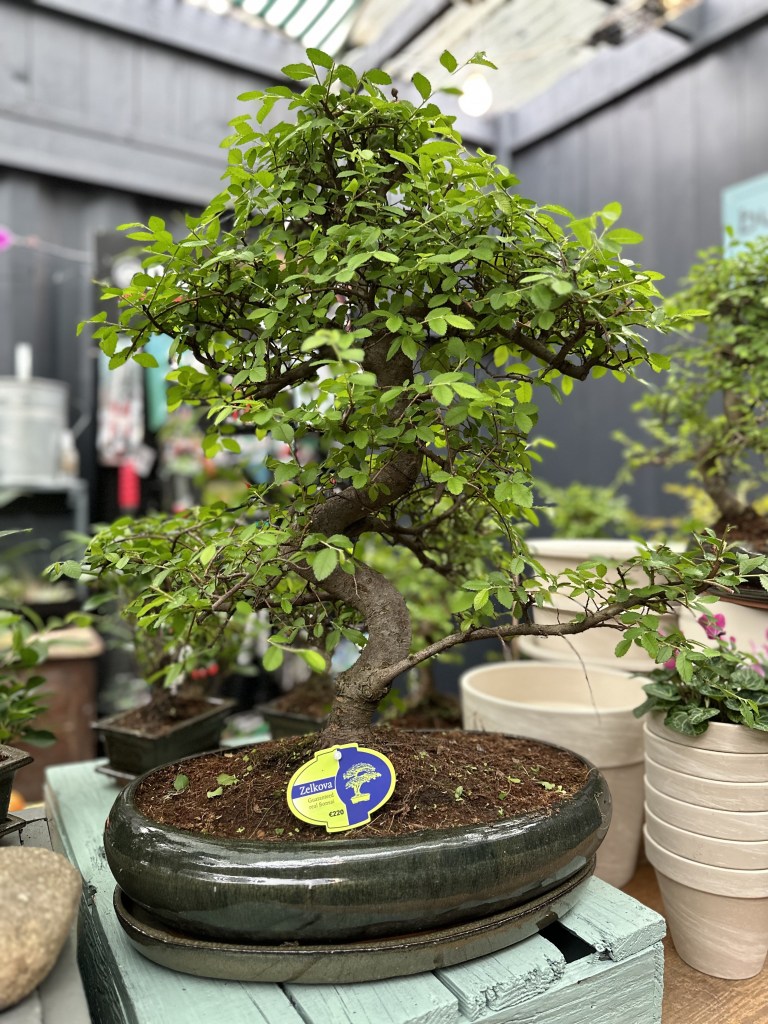
The aim of Bonsai is to create a miniature version of a tree. It may be a very life like version or a more stylized version of the trees natural form. More than one plant can be arranged as a clump or forest. They may be planted on rocks or other objects, but generally the tree grows in a pot.
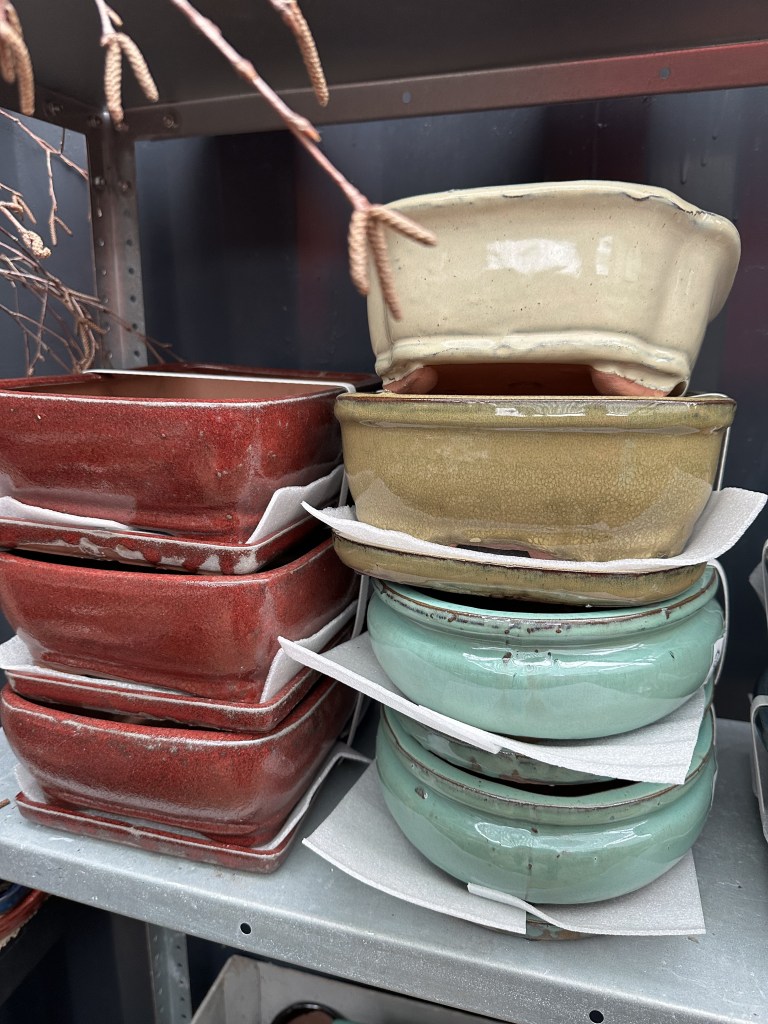
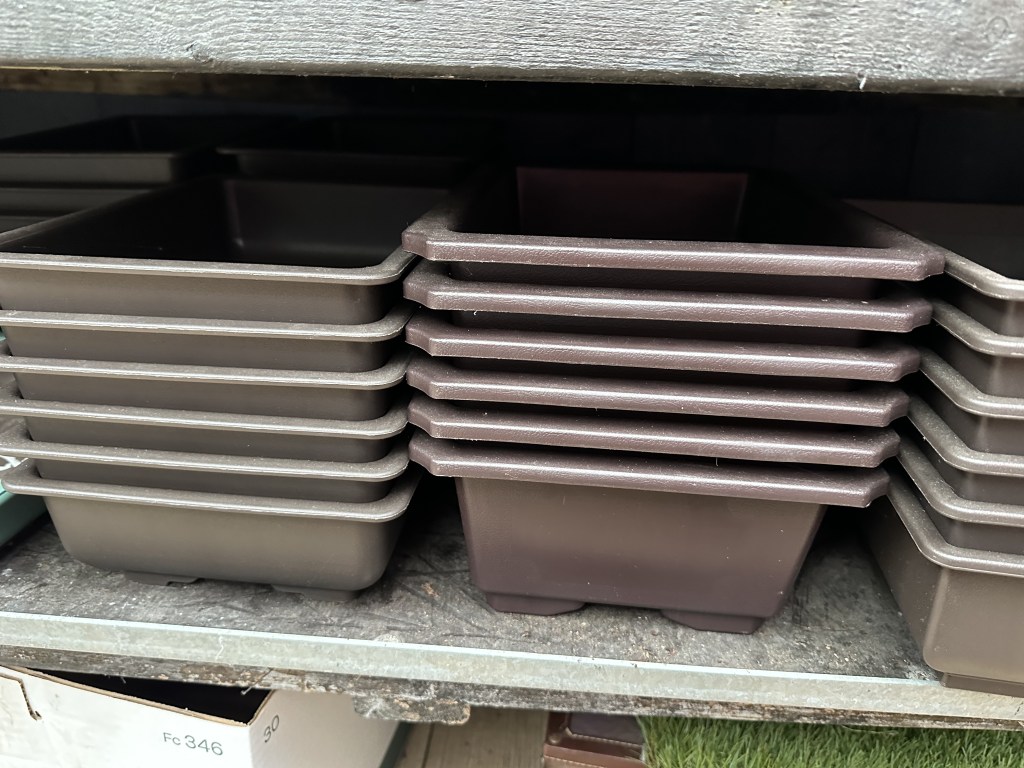
Most Bonsai Pots are shallow in proportion to the Bonsai to emphasise the shape and scale of the Bonsai.
Because many species are grown as Bonsai, there are no ‘one size fits all’ rules for growing them. It largely depends on the variety as to when and what to do with each tree, but are a few areas that are important for all trees;
Water.
The number one way to kill a bonsai tree is to not water it sufficiently. Because the plant is in a pot it is 100% dependent on you for water on dry days. Rain is usually insufficient to water the tree adequately in all but winter time. While there may be a run of very wet weather which waters your tree, rain showers followed by bright, breezy weather is usually insufficient to water the plant. Most bonsai enthusiasts expect to water their trees daily from April to September, perhaps twice on very warm days.
Feed.
Every plant needs fertilizer. Young trees tend to need more, more mature, well-developed trees, less. Liquid Seaweed, Liquid Tomato Feed, Granular Bonsai Fertilizer or General Slow-Release Fertilizers will work. The quantity and frequency will vary but over fertilizing will scorch roots so be careful.
Pruning.
If the plant is alive, it will grow. This growth can be pruned away if it is coming from the wrong part of the tree, or allowed develop further if it is needed in that place. Usually, we prune with the aim of developing twigs and branchlets.
Wiring.
On some branches, we may choose to use wire (usually aluminium) to allow us manipulate a particular branch into a new position or shape. Broadly, the plant needs a growing season to lock the branch into the new position. If we leave to wire on too long, the wire may ‘bite in’ leaving an unsightly scar so some judgement is needed to decide when to remove the wire.
Repotting.
As the plant grows above the ground, so also do the roots beneath soil surface. Eventually the Bonsai will need to be re-potted. In mid-February to mid-March, the plant can be removed from the pot, and the roots carefully teased apart from the old anaerobic soil. The roots are pruned enough to fit back in the same or a different pot. Japanese Bonsai Soil is made up of Akdama, Pumice, Lava and Kiryu (all grit-like volcanic soils in various proportions).
Weather Protection.
Most outdoor bonsai need no particular protection during most Irish weather conditions. However, during heavy frost (depending on variety), the tree should be put in a frost-free position overnight or while the very cold persists. Storms can damage foliage or cause debris to damage your tree. In extreme heat it may be worthwhile putting the Bonsai in a shaded position to make watering easier.
Useful Bonsai Resources
BonsaiMirai.com – Ryan Neils website includes a free and paid how to videos, Asymmetry Podcast, and a Gallery of his work.
Saruyama.co.uk – Peter Warren has a great series of free videos on YouTube and crops up in several Podcasts.
Bonsai U – Bjorn Bjorholm also has a great amount of information and how-to videos, plus paid content.
Bonsai Empire – Oscar Junker runs an information site in several languages featuring written and video content.
Walter Pall appears in many YouTube videos and has an excellent blog with progression pictures of many of his bonsai trees.
BONSAI AT BUD
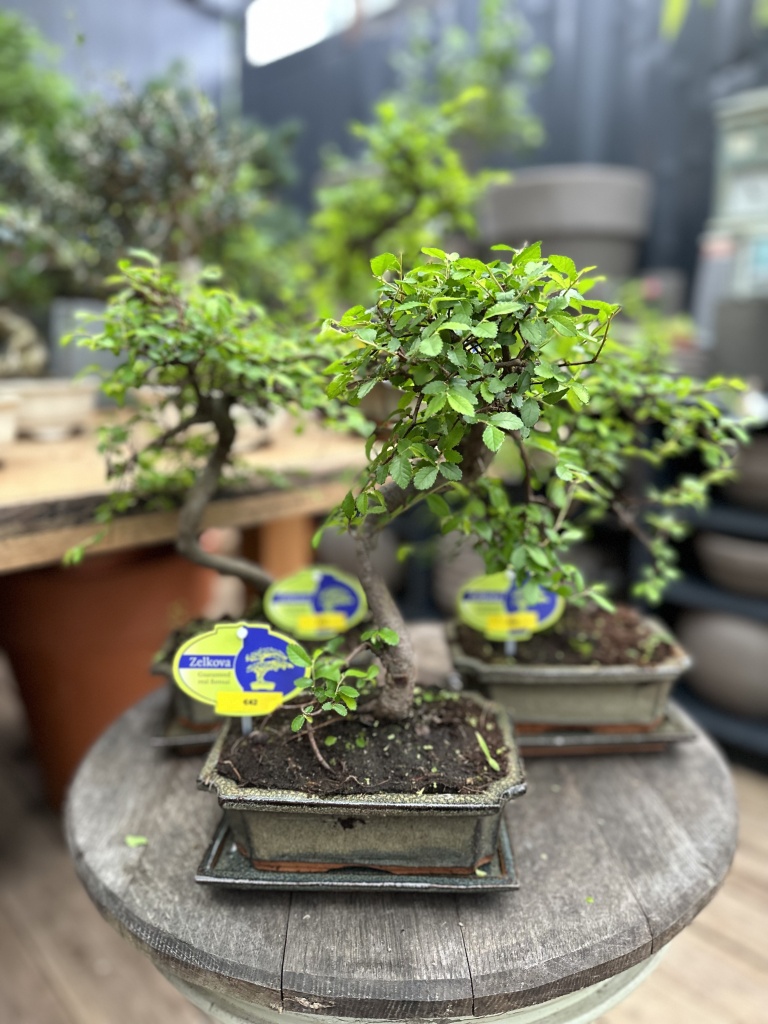
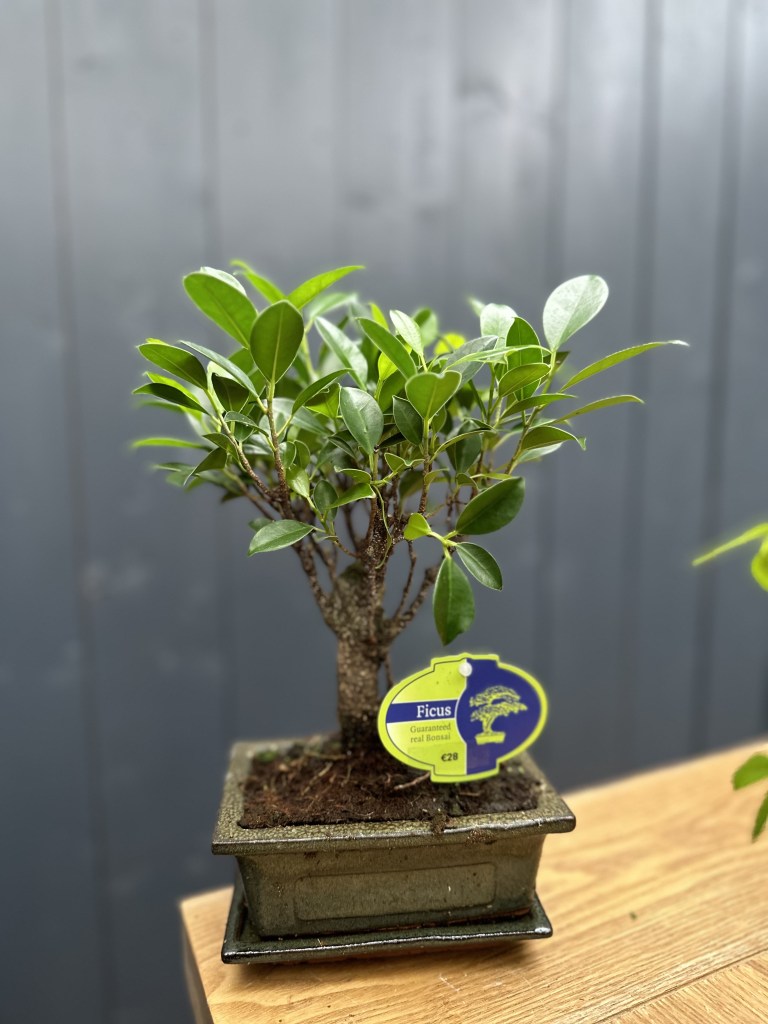
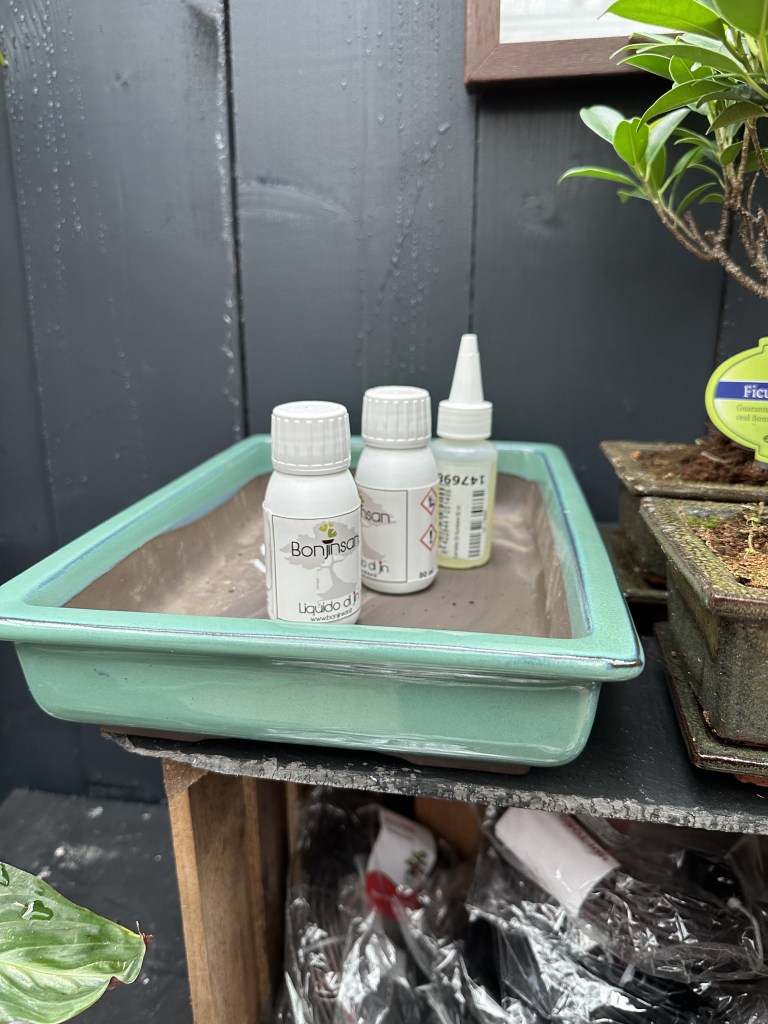
We have one of the best ranges around of bonsai trees, pots, soil and tools. We also have a bonsai club and run classes/workshops from time to time.





 Bud Garden Centre